Discover practical strategies and insights to tackle today’s
toughest construction challenges with real-world solutions.
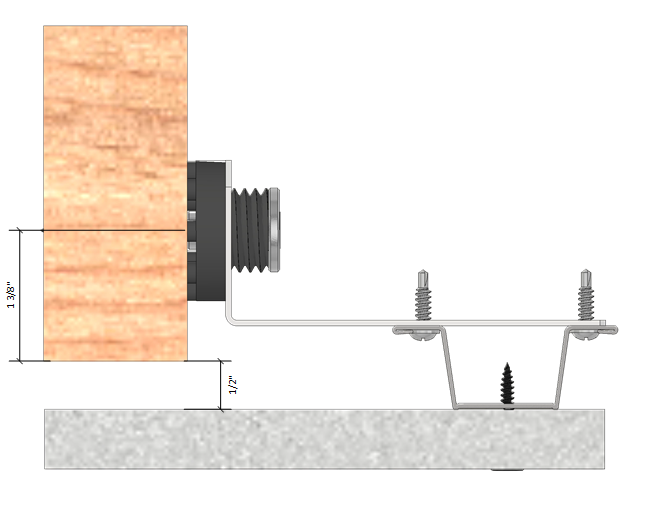
RSIC® Low-profile wall designs
This post will reflect on low-profile wall systems where the RSIC®-DC04 can be used in sleek and functional designs. The RSIC®-DC04 is one of the most versatile clips we have to offer because it can be used almost anywhere you would use an L-bracket.
How To:
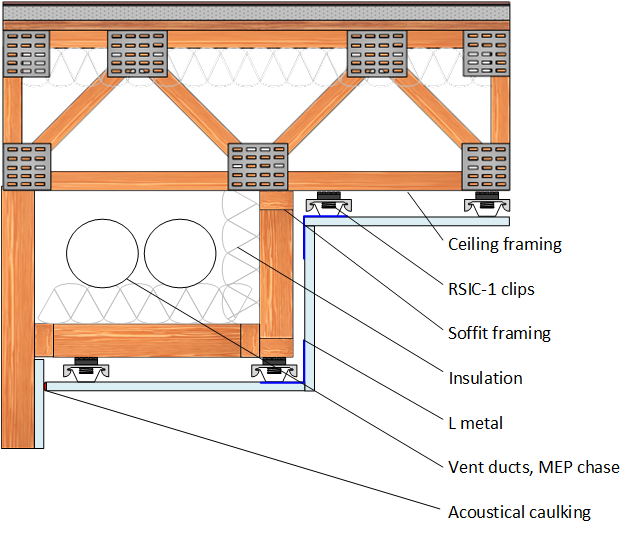
Soffits In A Noise Control CEILING
In assisting architects and designers on their projects, we have seen many ceilings with soffits lately and wanted to offer a couple of design solutions. Quite often these ceilings need to meet a certain fire and acoustical rating, and these assemblies can create some hurdles. The assembly designs shown below are two approaches to achieving both the acoustic and fire requirements.
REAL SOLUTIONS IN CONSTUCTION
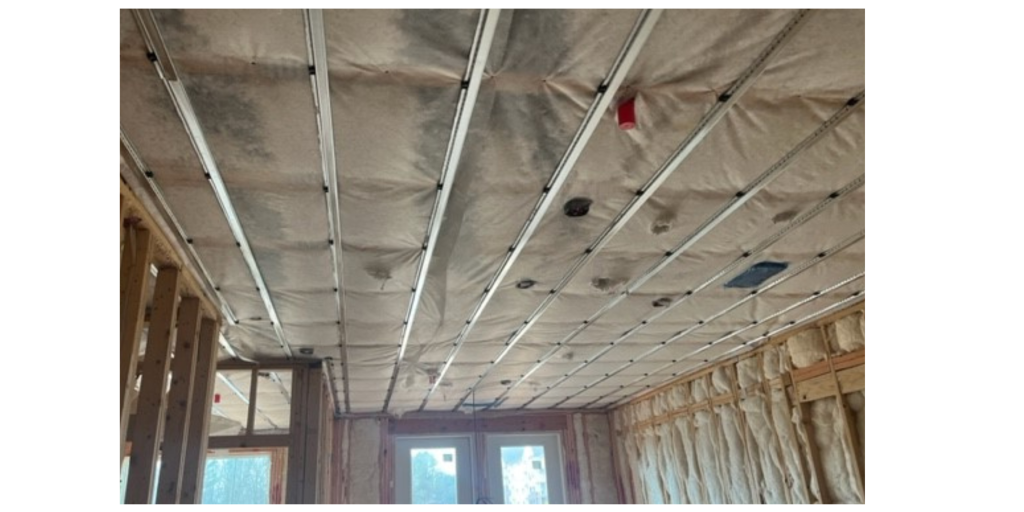
RC-1 Boost® helps crescent communities save time and money!
This week’s post highlights a case study in which PAC International’s RC-1 Boost® allowed Crescent Communities to achieve the project’s required acoustical performance and keep the build on schedule when the specified resilient channel was not available.
HOW TO:
RC-1 boost® installation
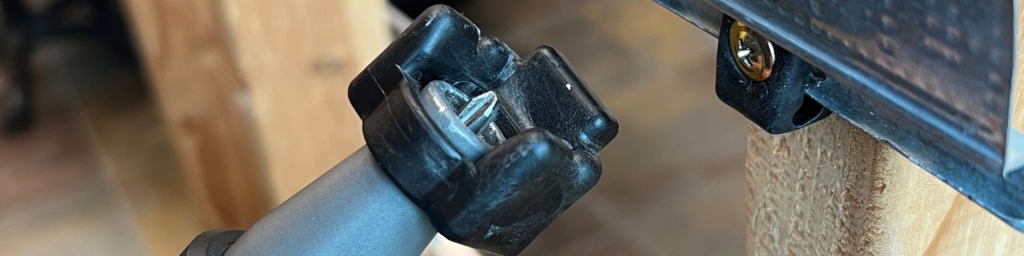
When installing the PAC RC-1 Boost, the screw’s compression on the isolator is a key feature to promote the best performance. Unlike the RSIC-1, the RC-1 Boost Isolator does not have a depth guide built-in, so PAC developed an installation tool to set the depth of the screw. This provides consistent compression of the isolator. The install tool attaches to the end of a typical screw gun and has been designed to fit drywall screw guns from all major manufacturers.
PAC’s rc-1 boost® is the most economical way to gain 5 iic points
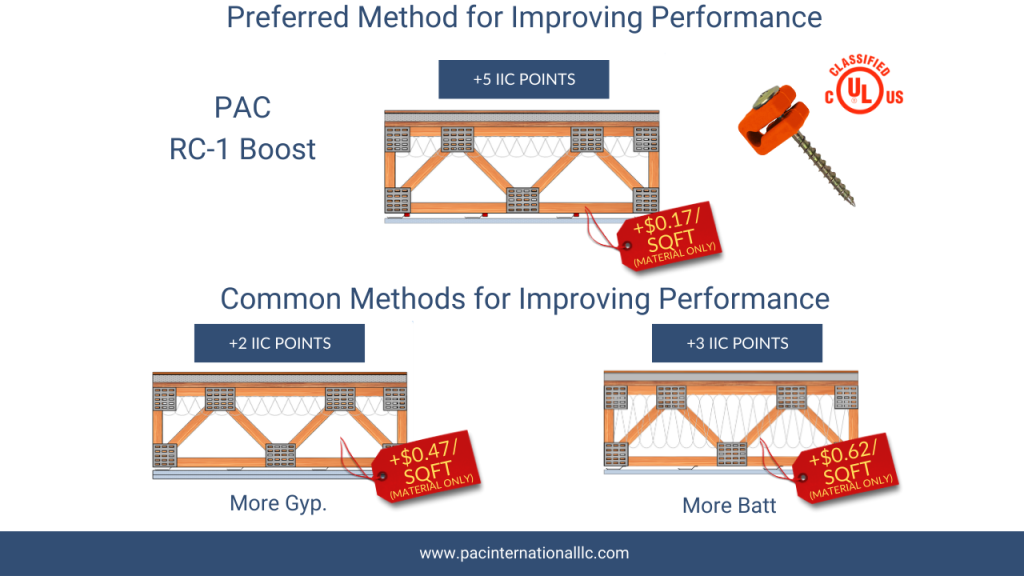
When installing the PAC RC-1 Boost®, the screw’s compression on the isolator is a key feature to promote the best performance. Unlike the RSIC-1®, the RC-1 Boost® Isolator does not have a depth guide built-in, so PAC developed an installation tool to set the depth of the screw. This provides consistent compression of the isolator. The install tool attaches to the end of a typical screw gun and has been designed to fit drywall screw guns from all major manufacturers.
Say ‘No thanks” to sound flanking!
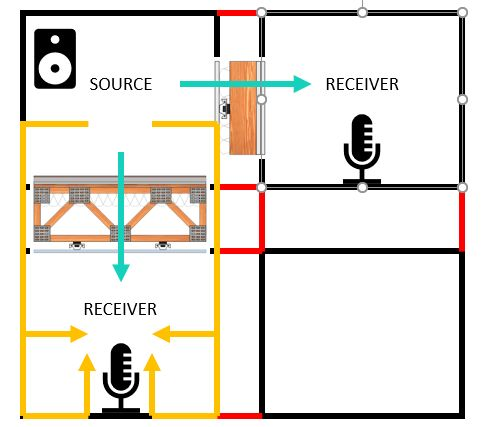
During my career talking with architects, contractors, and consumers about acoustic construction, I’ve always finished the conversation with a short “sermon” on sound flanking. Too often, the focus is on the assembly that gets the highest STC or IIC rating, but less attention is paid to sound flanking issues. Once a design is executed in the field, sound flanking issues can potentially derail the original acoustical goals. To achieve the best results, attention to sound flanking is critical in the project design and construction phases.
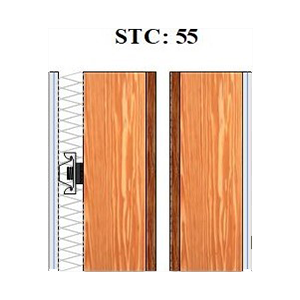
double stud wall systems
are they still the standard?
Double-stud partitions are often recommended where high levels of sound isolation are required. These walls achieve their sound isolation because of two main factors: 1) the large air cavity, and 2) the lack of connection between the two sets of studs. While double-stud walls work well acoustically when these two factors are maintained, there are many instances where those factors aren’t or can’t be maintained. That was the case on a recent project where PAC was asked for assistance.
Can i use the rsic-1® to retrofit a ceiling?
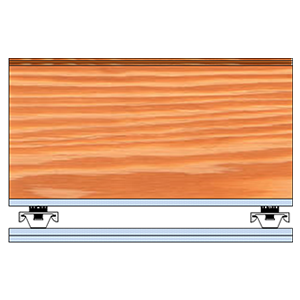
A question came across my desk today asking if you can retrofit RSIC-1® over an existing ceiling? The simple answer is no, you can not achieve the desired acoustical results when the RSIC-1 is installed directly under an existing ceiling. You can physically install the RSIC-1® Retro under an existing ceiling, but with substantially handicapped results. Below is a ceiling that has the RSIC-1® installed under an existing ceiling. This creates what’s called a triple leaf ceiling. These types of ceilings typically have not performed well acoustically.
rc-1 boost® on ceilings
How much does it improve iic?
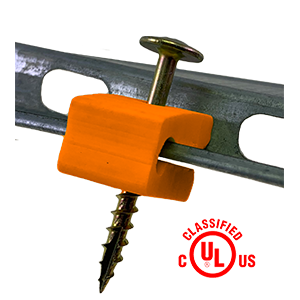
When installing the PAC RC-1 Boost®, the screw’s compression on the isolator is a key feature to promote the best performance. Unlike the RSIC-1, the RC-1 Boost® Isolator does not have a depth guide built-in, so PAC developed an installation tool to set the depth of the screw. This provides consistent compression of the isolator. The install tool attaches to the end of a typical screw gun and has been designed to fit drywall screw guns from all major manufacturers.
HOW TO
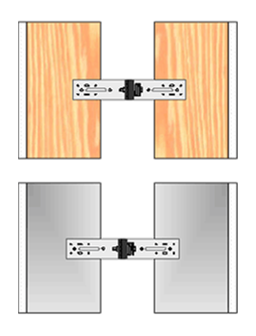
Decouple one wall from another
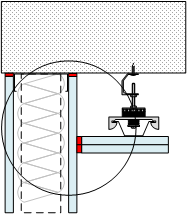
Both the RSIC®-CWB and RSIC®-DC04 are effective solutions for isolating one framed wall from another, helping to reduce the transfer of sound between adjoining spaces. Each option is available in 36 lb and 72 lb acoustical load ratings, allowing flexibility based on project requirements and wall assembly design. For applications that demand higher performance, the RSIC®-DC04 X2 HD offers an increased acoustical load rating of up to 144 lbs, making it well suited for heavier wall systems where enhanced sound isolation is critical.
Do i need to leave a perimeter gap around my isolated ceiling?
The RSIC® installation guide calls for a 1/4″ gap between the ceiling gypsum board and the perimeter of the ceiling. This gap should then be filled with acoustical caulking. The gap is then taped and finished like a regular ceiling / wall intersection. The caulking provides 2 functions. It fills the void and bonds the ceiling to the wall with a flexible material ensuring an air tight ceiling. This air tight ceiling stops noise from flanking around the gypsum board and through what may be a weak area of the ceiling. The second function ensures that in the event of a movement the corner will remain sealed. Typically mud is pushed into the corner and tape is placed over the mud. This drywall mud creates an initial hard bond between the wall and ceiling. If there is any movement that bond can be broken, resulting in a gap that lets noise leak through.
Are you have trouble locating rc channel?
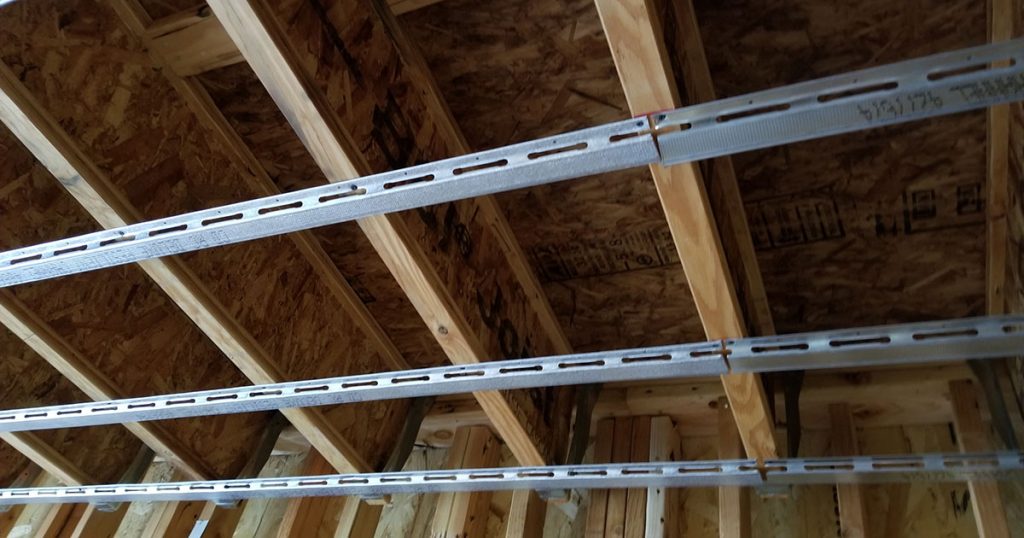
2021 has arrived with some new issues. We are being asked quite often about the steel shortage (purchase restrictions) that are beginning to handicap the construction industry. One item we have seen a shortage of on the west coast is the proprietary RC channels. These proprietary RC channels are the most specified version of RC channel. The shortage of this specific channel has started to affect the construction of new muti-family housing.
The shortage has allowed the RC-1 Boost® to replace the once only option for RC channel. The RC-1 Boost® has higher performance and has several manufacturer options. The RC-1 Boost® allows the construction to proceed with better acoustics, Fire ratings, and flexibility to choose your manufacturer.