RC-1 Boost® Installation: Getting the Right Screw Compression
When it comes to sound isolation, installation details matter.
At PAC International, our experience in the construction industry has always influenced how we develop products. PAC—originally founded as Professional Acoustics Company in 1976—has decades of experience installing, supplying, shipping, and manufacturing products for the construction industry.
That hands-on experience informs our approach to product development, with a particular focus on one question:
Is there a better way—or a better tool—to make this system easier to install correctly?
The RC-1 Boost® is a good example of that philosophy.
Why Installation Matters
The performance of an acoustical isolation product depends not only on the product itself, but also on how it is installed.
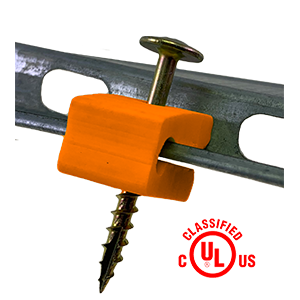
With the RC-1 Boost, one of the most important installation details is the amount of compression applied to the rubber isolator by the screw.
The correct amount of compression helps the isolator perform as designed.
Unlike the RSIC-1®, the RC-1 Boost® isolator does not have a built-in depth guide to automatically control screw depth.
That presented an installation challenge:
How do you consistently achieve the correct screw depth and isolator compression across an entire project?
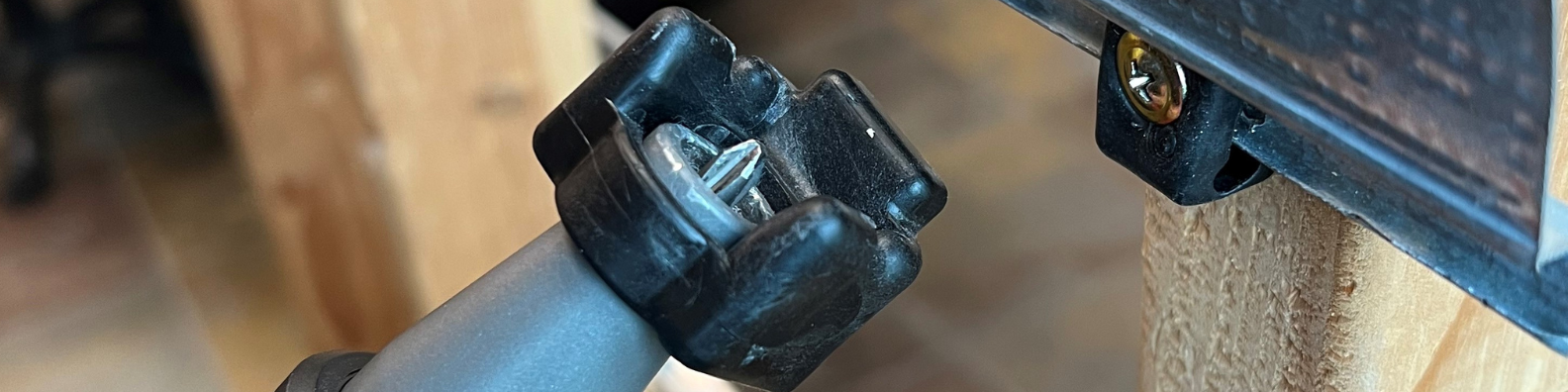
PAC’s answer was to develop an installation tool specifically for the RC-1 Boost®.
The RC-1 Boost® Installation Tool
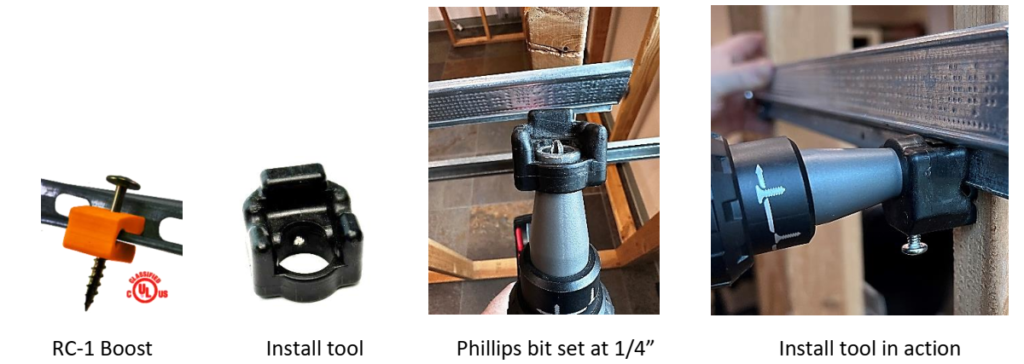
The RC-1 Boost® installation tool is designed to help installers achieve consistent screw depth and compression during installation.
The tool attaches to the end of a typical drywall screw gun and is designed to fit drywall screw guns from all major manufacturers.
This makes it possible to use familiar installation equipment while adding a simple depth-control system specifically for the RC-1 Boost®.
The goal isn’t to make installation more complicated.
It’s the opposite.
The goal is to make it easier to install the product consistently and correctly.
Setting the Correct Screw Depth
Before beginning installation, the screw gun should be adjusted to provide the appropriate screw depth.
Start by setting the bit so that it extends approximately ¼ inch past the collar of the drywall screw gun.
From there, make small adjustments inward or outward as necessary to achieve the correct compression of the RC-1 Boost isolator.
The exact adjustment may vary depending on the screw gun, fastener, substrate, and installation conditions.
What Does Proper Compression Look Like?
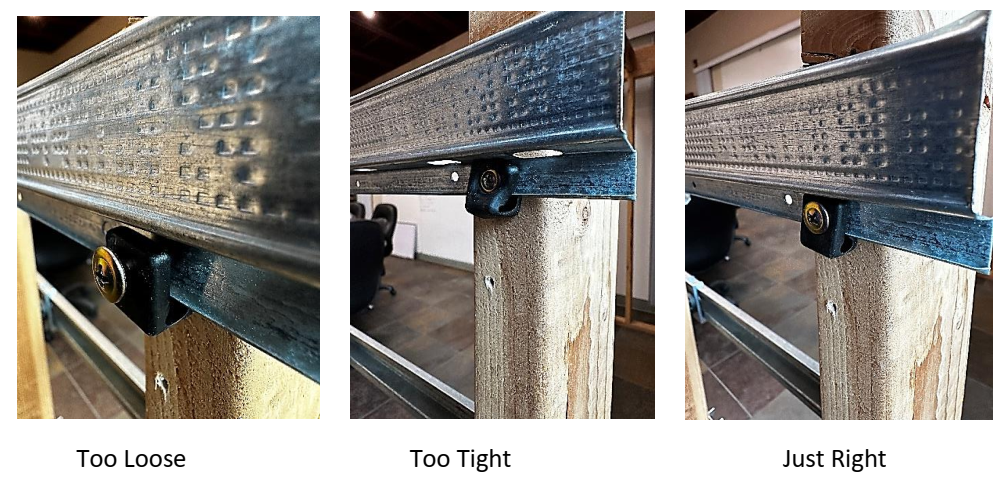
The desired compression of the rubber isolator is minimal.
The screw head should make contact with and apply pressure to the isolator, but it should not deform or excessively compress the rubber.
In other words:
The screw should be tight enough to engage the isolator—but not so tight that it crushes it.
Over-compression can change the way the isolator functions and can potentially compromise the intended performance of the isolation system.
This is why consistent screw depth is so important.
A Simple Installation Check
After adjusting the screw gun, inspect the installed RC-1 Boost isolator.
You are looking for:
- The screw head contacting the isolator
- Minimal compression of the rubber
- No significant deformation of the isolator
- Consistent screw depth from one isolator to the next
If the rubber is visibly crushed or significantly deformed, the screw is likely being driven too deeply.
Make small adjustments to the screw gun collar until the desired compression is achieved.
Why Consistency Matters
On a small installation, it may be tempting to think of screw depth as a minor detail.
But a wall or ceiling assembly can contain a large number of isolation points.
If every installer—or every screw—produces a different amount of compression, the isolation system may not perform consistently across the assembly.
The RC-1 Boost installation tool helps standardize that process.
This is especially valuable on larger projects where installation consistency is critical.
Installation Designed Around the Installer
At PAC International, our product development philosophy comes from decades of experience in the field.
We’ve installed these types of products ourselves. We’ve worked with contractors and installers. And we’ve seen the challenges that can occur when a product depends on a difficult or inconsistent installation process.
That’s why ease of installation is an important consideration when PAC develops new products.
The RC-1 Boost® installation tool is one example of that philosophy: take a critical installation detail and create a simple tool that helps make the result more consistent.
The Bottom Line
Proper installation is an important part of achieving the intended performance of any sound isolation system.
With the RC-1 Boost®, paying attention to screw depth and isolator compression is particularly important.
Remember:
Minimal compression is the goal.
The screw head should contact the rubber isolator and apply pressure without deforming it.
Using the RC-1 Boost® installation tool and properly adjusting the screw gun collar can help installers achieve consistent results throughout the project.
Need Help With RC-1 Boost® Installation?
Have questions about the RC-1 Boost®, installation requirements, or another PAC sound isolation product?
PAC International is here to help. Contact our team to discuss your application and make sure you’re using the right isolation solution for your project.
Learn more about PAC’s sound isolation products and installation resources to find the right solution for your next project.