How to Decouple a Wall for Soundproofing (Complete Guide + Best Practices)
If you’re trying to reduce noise between rooms, apartments, or commercial spaces, one method stands above the rest: decoupling walls.
Whether you’re building a home theater, working on a multifamily project, or improving office acoustics, decoupling is one of the most effective ways to stop sound transmission.
In this guide, you’ll learn:
- What wall decoupling is
- Why it works
- How to decouple one wall from another
- The best products to use
What Is Wall Decoupling?
Wall decoupling is the process of separating two wall structures so they are no longer directly connected.
Sound travels through vibration. When walls share framing or touch, vibration passes directly through—carrying noise with it.
Decoupling introduces a break in that vibration path, dramatically reducing sound transfer.
Benefits of Wall Decoupling
- Reduces airborne noise (voices, TV, music)
- Limits structure-borne vibration
- Improves STC ratings
- Creates quieter, more private spaces
Why Decoupling Is Better Than Insulation Alone
A common mistake is assuming insulation alone will solve sound problems.
While insulation helps absorb sound, it does not stop vibration transfer through framing.
👉 Decoupling + insulation = true soundproofing performance
Two Proven Ways to Decouple a Wall
1. RSIC-CWB (Chase Wall Brace)
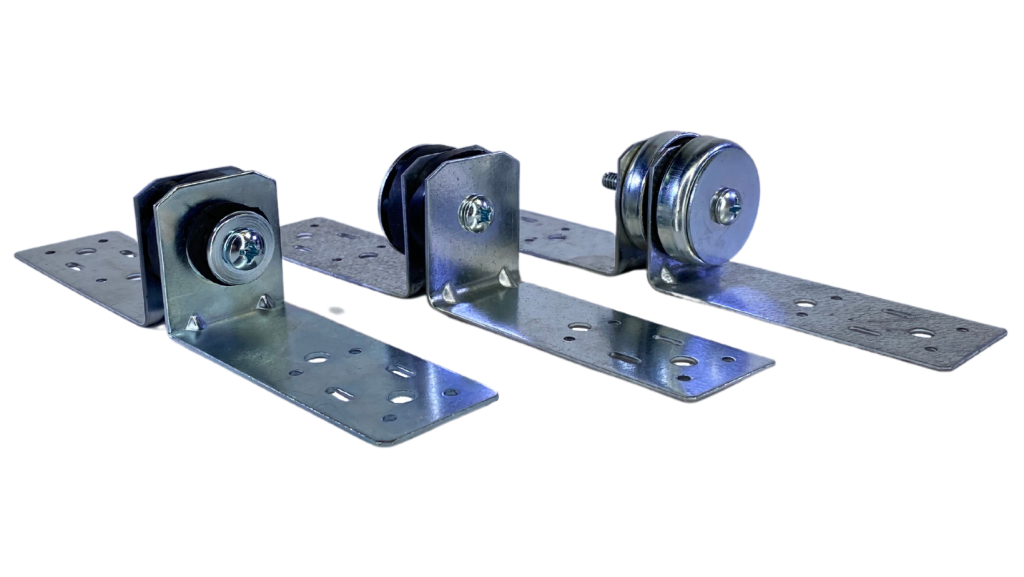
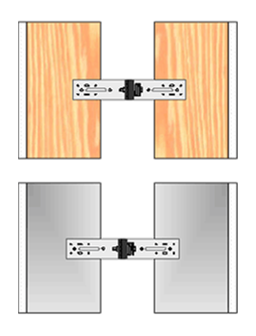
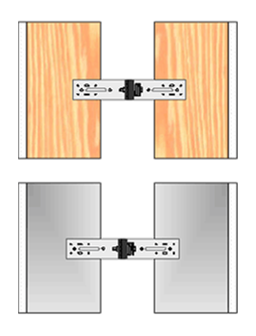
The RSIC-CWB is designed to separate two framed walls while maintaining structural alignment.
How it works:
- Installed between adjacent wall systems
- Uses a resilient rubber isolator
- Prevents rigid contact between walls
Best applications:
- Double-stud wall assemblies
- Shaft walls and mechanical chases
- Projects requiring aligned but isolated walls
👉 Learn more about the RSIC-CWB here:
https://pacinternationalllc.com/rsic-cwb-series/
Key benefit:
You maintain structural integrity while eliminating vibration transfer.
2. RSIC-DC04 (Decoupling Clip System)
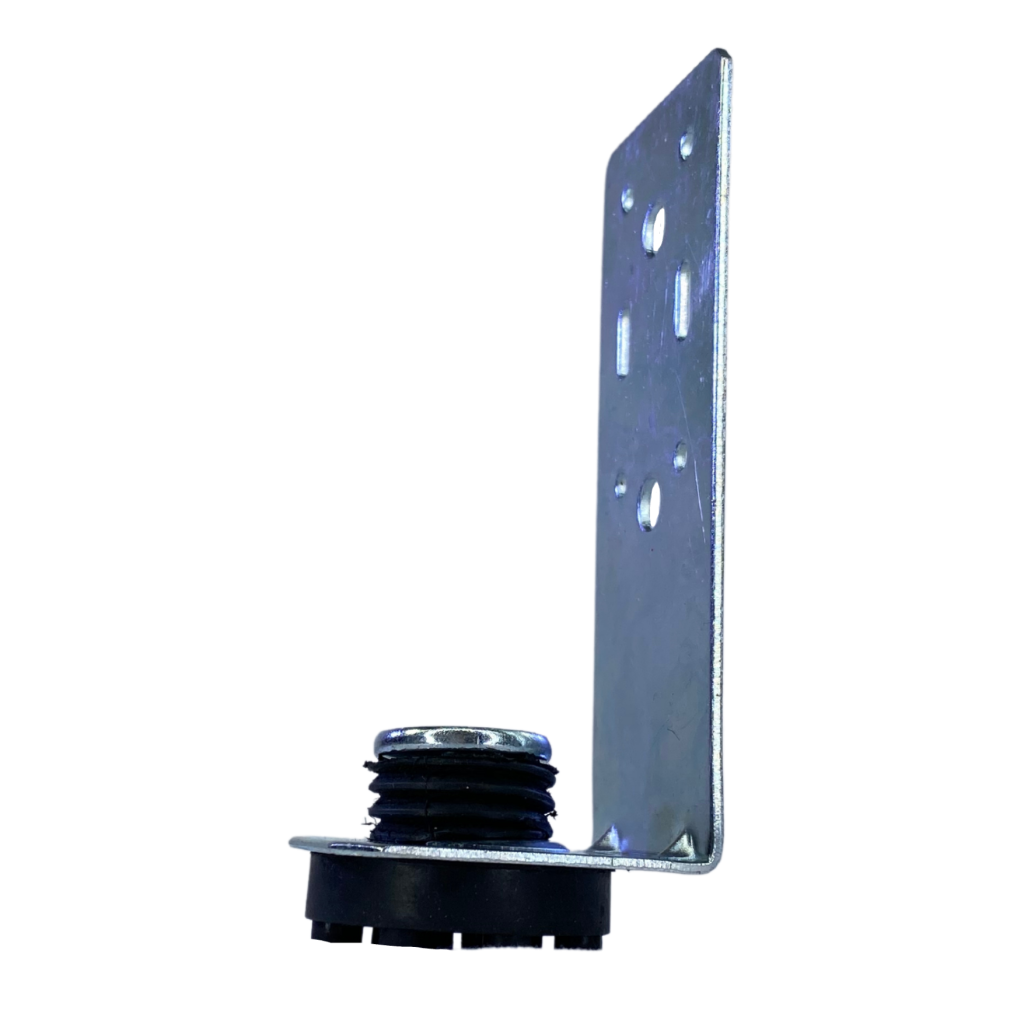
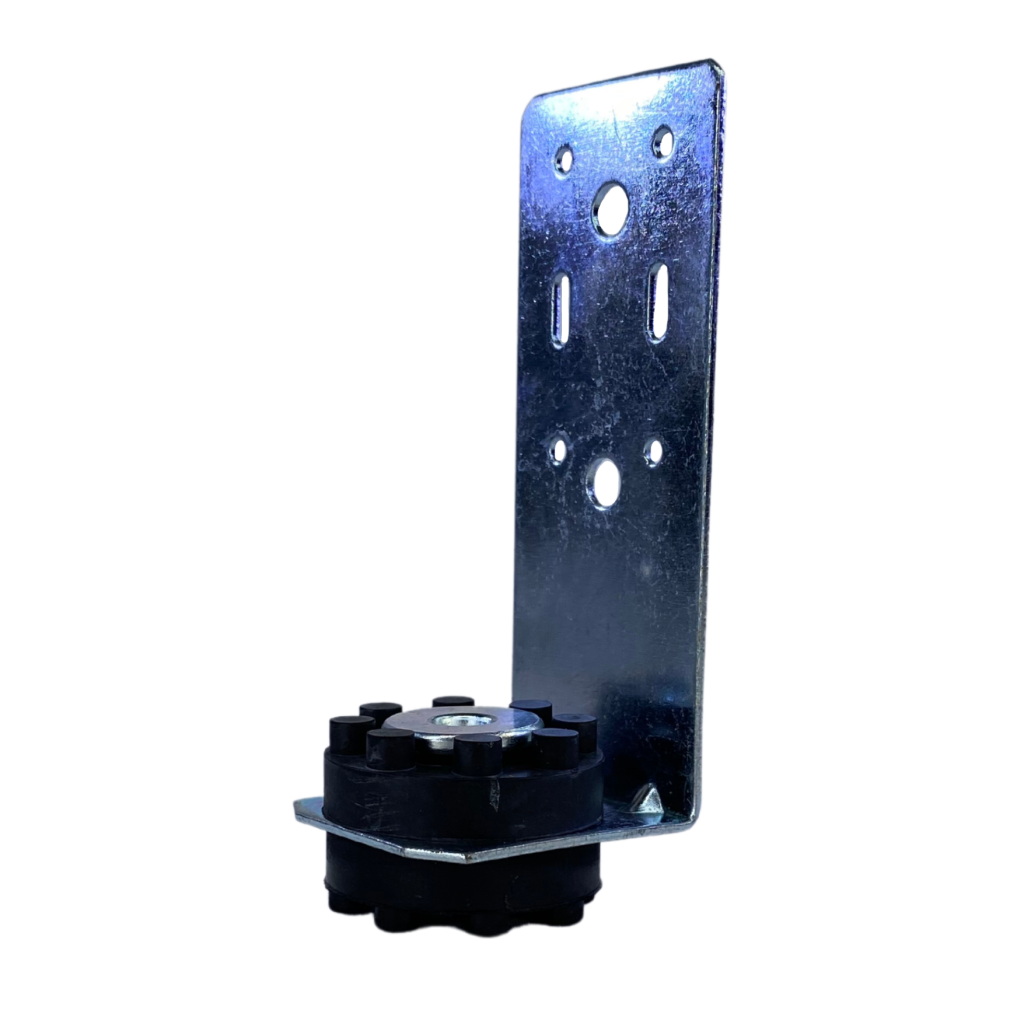
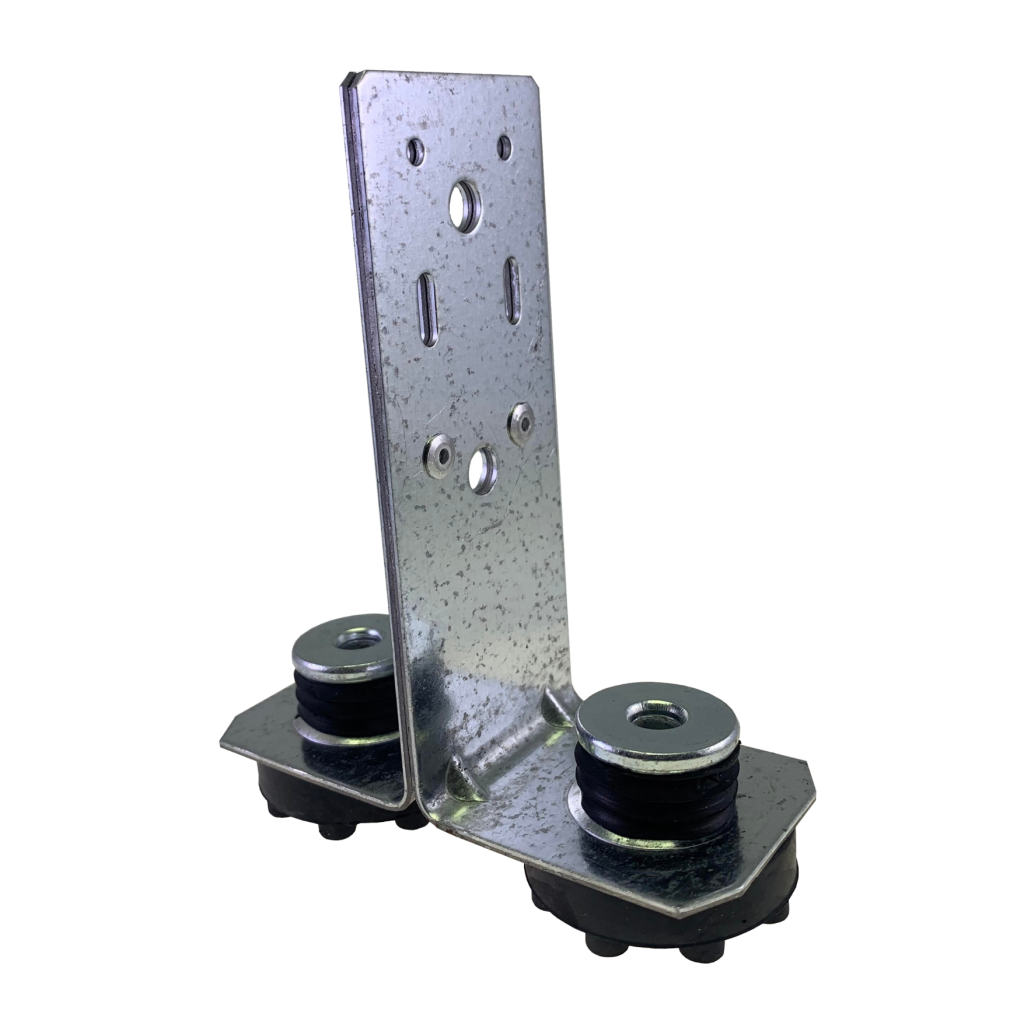
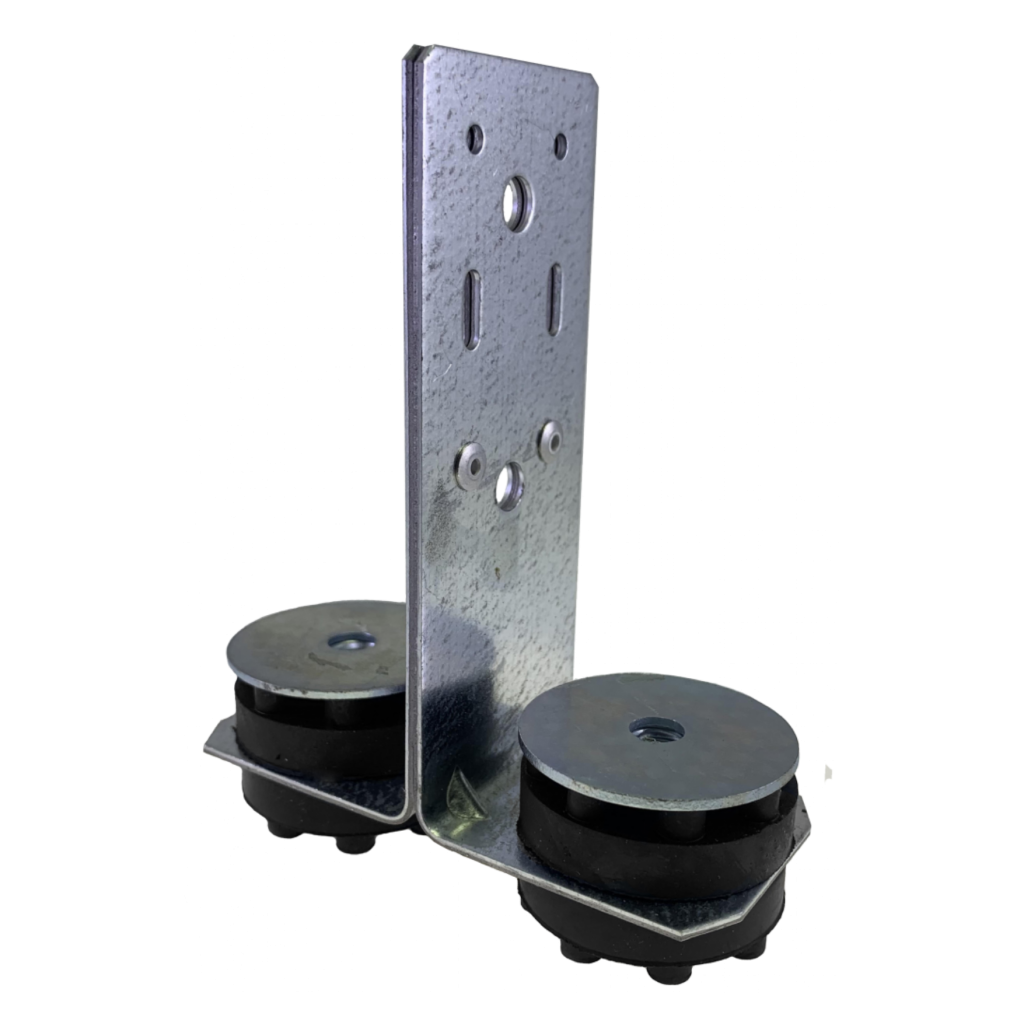
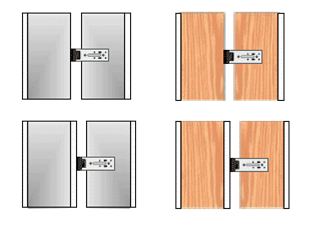
The RSIC-DC04 allows you to create a decoupled wall without building a full second wall.
How it works:
- Clips attach to the primary structure
- A secondary stud wall is supported by the clips
- Creates a small air gap (½″–2″)
Best applications:
- Retrofit projects
- Tight spaces
- High-performance soundproofing
Load ratings:
- 36 lb and 72 lb options
- Up to 144 lb (RSIC-DC04 X2 HD)
👉 Explore the RSIC-DC04 product page:
https://pacinternationalllc.com/pac-products/rsic-dc04/
Key benefit:
High acoustic performance with minimal space impact.
RSIC-CWB vs RSIC-DC04
| Feature | RSIC-CWB | RSIC-DC04 |
|---|---|---|
| Application | Between two walls | Creates secondary wall |
| Space Required | Larger | Minimal |
| Installation | New construction | New + retrofit |
| Flexibility | Moderate | High |
| Performance | Excellent | Excellent |
Quick Recommendation
- Use RSIC-CWB for full wall separation
- Use RSIC-DC04 when space is limited
Where to Use Wall Decoupling
Wall decoupling is essential in:
Residential
- Bedrooms
- Home theaters
- Shared walls
Commercial
- Offices
- Conference rooms
- Hotels
Industrial
- Mechanical rooms
- Equipment enclosures
- Plumbing walls
Best Practices for Maximum Soundproofing
1. Avoid Rigid Connections
Even one screw connecting both walls can reduce performance.
2. Add Insulation
Use mineral wool or fiberglass.
3. Increase Wall Mass
Multiple drywall layers improve sound blocking.
4. Seal All Gaps
Use acoustic sealant at all perimeters and penetrations.
5. Follow Load Ratings
- Standard: 36 lb / 72 lb
- Heavy-duty: up to 144 lb
Final Thoughts
If you want real soundproofing results, decoupling is essential.
Both RSIC-CWB and RSIC-DC04 provide proven solutions that:
- Break the vibration path
- Reduce noise transmission
- Improve acoustic comfort
Bottom Line
- RSIC-CWB → Best for full separation
- RSIC-DC04 → Best for space-saving solutions
FAQs
What is the best way to decouple a wall?
Using products like RSIC-DC04 or RSIC-CWB.
How much space is needed?
As little as ½″–2″ when using RSIC-DC04.
Does decoupling eliminate all sound?
No—but it significantly reduces it when combined with insulation and added mass.
Call to Action
Looking to improve sound isolation in your next project?
Explore solutions like RSIC-DC04 and RSIC-CWB to build quieter, higher-performing wall systems.